Introduction
LED color changing lights have revolutionized the modern lighting industry by combining energy efficiency with advanced customization. Unlike traditional lighting systems that offer a fixed color output, these innovative lighting solutions allow users to switch between a wide range of colors and brightness levels according to their needs. This flexibility has made LED color changing lights increasingly popular in residential, commercial, and outdoor environments.
In today’s design-focused world, lighting is no longer just about illumination; it plays a crucial role in setting mood, enhancing aesthetics, and improving functionality. LED color changing lights provide an all-in-one solution that caters to both practical and decorative needs. This comprehensive guide explores how these lights work, their types, benefits, applications, and future trends, helping you understand why they are becoming a preferred choice worldwide.
What Are LED Color Changing Lights
LED color changing lights are lighting systems that use light-emitting diode (LED) technology to produce multiple colors from a single fixture. These lights typically operate using RGB (Red, Green, Blue) or RGBW (Red, Green, Blue, White) color models, which combine different intensities of primary colors to create a wide spectrum of hues.
Unlike conventional bulbs, which emit a single color temperature, LED color changing lights can produce millions of color variations. This capability allows users to customize their lighting environment based on mood, activity, or design preference. Whether it is a warm tone for relaxation or vibrant colors for a party setting, these lights offer unmatched versatility.
How LED Color Changing Lights Work
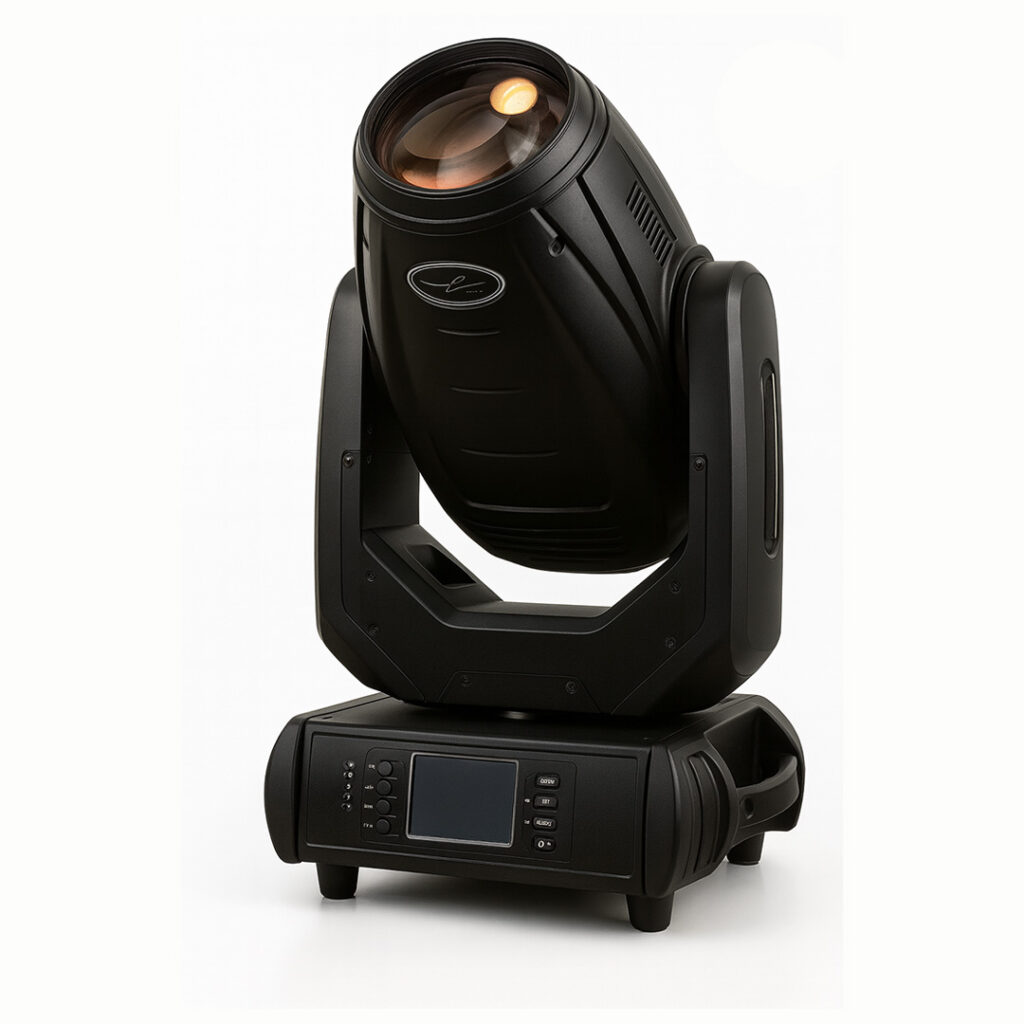
The working mechanism of LED color changing lights is based on combining different colored LEDs within a single unit. In RGB systems, three small LED chips—red, green, and blue—are integrated into one fixture. By adjusting the intensity of each chip, different colors are created through a process known as additive color mixing.
These lights are typically controlled through a remote, wall controller, or smart device. Advanced systems use wireless technologies such as Wi-Fi or Bluetooth, enabling users to control lighting through mobile apps or voice assistants. This allows for features like color transitions, dimming, scheduling, and automation.
Additionally, LED color changing lights use efficient control methods such as pulse-width modulation (PWM), which regulates brightness without wasting energy. This ensures smooth color transitions and consistent performance while maintaining energy efficiency.
Types of LED Color Changing Lights
RGB LED Lights
RGB LED lights are the most common type and are widely used for decorative and ambient lighting. They combine red, green, and blue light to produce a broad range of colors, making them ideal for creative lighting designs.
RGBW LED Lights
RGBW LED lights include an additional white LED chip, which provides a pure white light output. This makes them suitable for both decorative and functional lighting, especially in spaces where clear visibility is required.
Smart LED Lights
Smart LED color changing lights can be controlled via smartphones, tablets, or voice assistants. They offer advanced features such as scheduling, automation, and integration with smart home systems, making them highly convenient for modern users.
LED Strip Lights
LED strip lights are flexible circuit boards embedded with LEDs. They can be installed along walls, ceilings, furniture, or stairs, making them ideal for accent and indirect lighting.
Color Changing LED Bulbs
These are standard bulb-shaped LEDs with built-in color changing capabilities. They can be used as direct replacements for traditional bulbs, offering an easy upgrade without complex installation.
Key Benefits of LED Color Changing Lights
One of the most significant advantages of LED color changing lights is their energy efficiency. Compared to traditional incandescent or fluorescent bulbs, LEDs consume significantly less electricity while delivering the same or even higher brightness levels. This results in noticeable savings on energy bills over time.
Another important benefit is their long lifespan. LED lights can last anywhere between 25,000 to 50,000 hours, reducing the need for frequent replacements. This not only lowers maintenance costs but also makes them a more sustainable choice.
Customization is another major advantage. Users can easily adjust colors, brightness, and lighting effects to match different moods and activities. This level of control enhances both comfort and functionality in various environments.
Furthermore, LED color changing lights are environmentally friendly. They do not contain hazardous materials such as mercury and produce less heat, making them safer and more eco-conscious than traditional lighting options.
Applications in Residential Spaces
In homes, LED color changing lights are widely used to enhance both functionality and aesthetics. In living rooms, they help create a relaxing or vibrant atmosphere depending on the occasion. Warm tones can be used for unwinding, while brighter colors are suitable for social gatherings.
Bedrooms benefit from calming lighting that promotes better sleep. Soft color transitions can create a peaceful environment, improving overall comfort. In kitchens and bathrooms, these lights provide both practical illumination and stylish accents.
Home entertainment areas, such as gaming rooms or home theaters, also benefit greatly from LED color changing lights. They create immersive experiences by synchronizing lighting with visuals or sound, adding a dynamic element to entertainment setups.
Use in Commercial Environments
LED color changing lights play a vital role in commercial settings by enhancing brand identity and customer experience. Retail stores use them to highlight products and create visually appealing displays that attract customers.
Restaurants and cafes rely on ambient lighting to set the mood. Different colors can be used to create a cozy, elegant, or energetic atmosphere depending on the theme. Hotels and event venues use dynamic lighting systems to create memorable experiences for guests.
In office spaces, adjustable lighting helps improve productivity and employee well-being. Cool white light can enhance focus, while softer tones can reduce eye strain during long working hours.
Outdoor and Landscape Applications
LED color changing lights are also widely used in outdoor environments. They are ideal for illuminating gardens, pathways, and building exteriors. These lights enhance the visual appeal of outdoor spaces while also improving safety and visibility.
For events such as weddings, festivals, and public celebrations, LED color changing lights are used to create vibrant and dynamic lighting displays. Weather-resistant designs ensure durability and reliable performance in different environmental conditions.

Installation and Setup Considerations
Proper installation is essential for maximizing the performance of LED color changing lights. One of the first considerations is ensuring compatibility with the power supply and control system. Using the correct voltage and components helps prevent technical issues.
Placement is another critical factor. The position and angle of the lights can significantly affect the overall lighting effect. Strategic placement enhances both brightness and visual appeal.
Choosing the right control system is equally important. Users can opt for simple remote controls or advanced smart systems depending on their needs. Professional installation may be required for complex setups to ensure safety and optimal performance.
Energy Efficiency and Cost Savings
LED color changing lights are designed to operate with minimal energy consumption. Their low wattage and high efficiency make them an excellent choice for reducing electricity costs. Over time, the savings on energy bills can offset the initial investment.
In addition to energy savings, their long lifespan reduces maintenance and replacement costs. This makes LED color changing lights a cost-effective solution for both residential and commercial users.
Future Trends in LED Color Changing Lights
The future of LED color changing lights is driven by advancements in smart technology and automation. Integration with artificial intelligence is expected to make lighting systems more intuitive and responsive to user behavior.
Human-centric lighting, which adjusts color temperature based on time of day, is becoming increasingly popular. This approach aims to improve health, productivity, and overall well-being.
Sustainability will continue to be a major focus, with manufacturers developing more energy-efficient and environmentally friendly lighting solutions. As technology evolves, LED color changing lights will become even more advanced and accessible.
Conclusion
LED color changing lights represent a significant advancement in lighting technology, offering a perfect blend of efficiency, versatility, and design flexibility. Their ability to adapt to different environments and user preferences makes them a valuable addition to modern spaces.
From enhancing home interiors to improving commercial environments and outdoor landscapes, these lights provide numerous benefits that go beyond basic illumination. As technology continues to evolve, LED color changing lights are set to become an integral part of future lighting solutions.
FAQs
What are LED color changing lights used for?
LED color changing lights are used for both functional and decorative purposes. They are commonly used in homes, offices, retail stores, and outdoor spaces to create customizable lighting environments.
Are LED color changing lights energy efficient?
Yes, they are highly energy efficient and consume significantly less electricity compared to traditional lighting systems, making them cost-effective in the long run.
Can LED color changing lights be controlled remotely?
Most modern LED color changing lights can be controlled using remote controls, smartphone apps, or voice assistants, allowing users to adjust colors and brightness بسهولة.
How long do LED color changing lights last?
These lights typically last between 25,000 to 50,000 hours, depending on usage and quality, making them a long-lasting lighting solution.
Are LED color changing lights suitable for outdoor use?
Yes, many LED color changing lights are designed for outdoor use and come with weather-resistant features, making them ideal for gardens, pathways, and exterior lighting.