lighting special effects are advanced visual techniques used to enhance the atmosphere, mood, and impact of events through controlled light, motion, color, and patterns. In 2026, they are no longer just decorative elements—they are a core part of event design, stage storytelling, and audience engagement.
From concerts in the United States to corporate shows in large venues like Las Vegas, lighting now defines how an audience feels. Whether it’s a music festival, theatre production, wedding, or brand launch, well-designed lighting creates emotion, focus, and unforgettable visual moments.
Brands like SoundDance are helping event planners and DJs integrate modern lighting technologies that turn ordinary spaces into immersive environments using advanced lighting effects techniques and smart control systems.
1. Moving Head Beam Lights
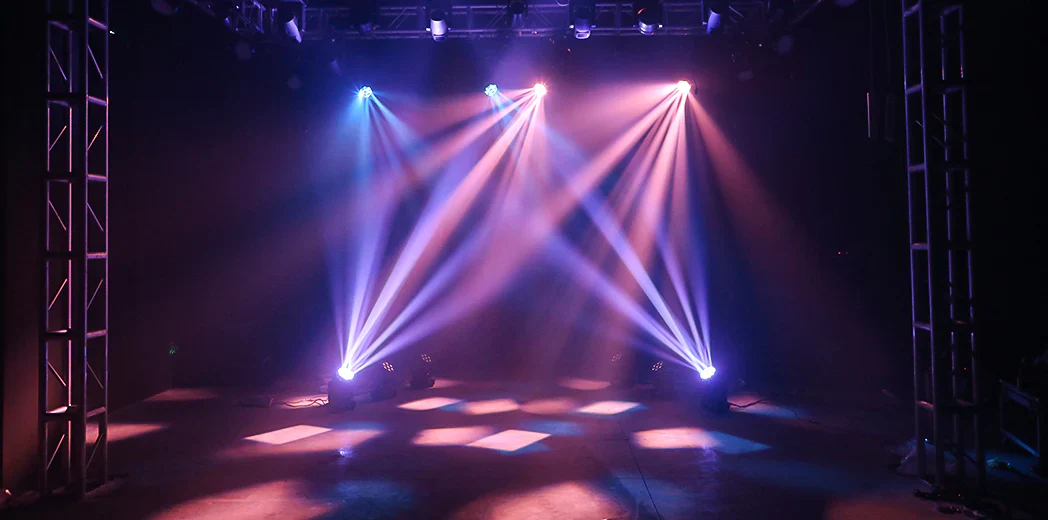
Moving head beams are one of the most powerful tools in lighting special effects. They create sharp, fast-moving beams that can sweep across audiences and stages.
These are widely used in concerts across the USA because they add energy and motion. They are essential for lighting effects for live performances and festivals.
Tip: Use synchronized movement patterns for maximum impact.
2. LED Wall Mapping Effects
LED wall mapping is a modern trend in lighting effects for entertainment events. It transforms flat screens into dynamic visual storytelling surfaces.
These systems are common in Las Vegas shows and corporate product launches.
Tip: Combine visuals with music beats for emotional storytelling.
3. Laser Lighting Effects
Laser systems are a key part of advanced lighting special effects for concerts. They create sharp lines, tunnels, and geometric shapes in the air.
They are widely used in EDM festivals in the United States.
Tip: Always ensure safety regulations are followed in public venues.
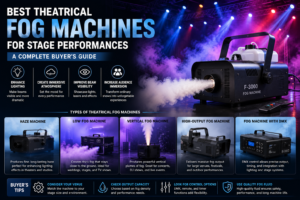
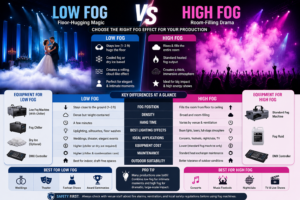
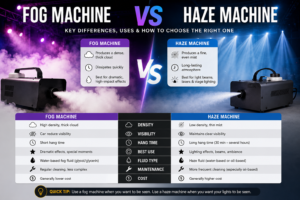
4. Fog and Haze Lighting Integration
Fog enhances visibility of light beams, making them more dramatic. This is a classic part of lighting special effects techniques used in stage design.
Without haze, many lighting effects lose their depth.
Tip: Use low-density haze for indoor events for clearer beam definition.
5. Strobe Lighting Effects
Strobe lights create rapid flashing effects that match music intensity. These are commonly used in special effects lighting for DJs and nightclubs.
Tip: Avoid overuse, as it can overwhelm audiences.
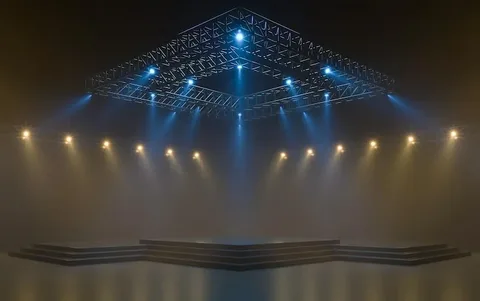
6. Color Wash Lighting
Color wash lighting fills the stage with soft, blended colors. It is essential in lighting effects for theatre productions and weddings.
It helps set an emotional tone, warm colors for romance, cool tones for calm settings.
7. Pixel Mapping Lights
Pixel mapping allows each LED to act individually, creating animations and patterns.
This is widely used in stage lighting effects equipment setups for modern concerts in the USA.
Tip: Use pixel mapping for logos and brand visuals.
8. Fire and Pyro Simulation Lighting
Modern systems now simulate fire using safe LED technology. This is a major trend in lighting special effects systems for events.
It is popular in stadium shows and music festivals.
9. Moving Laser Beams with DMX Control
DMX technology is the backbone of modern lighting. It allows precise control of DMX lighting effects for stage shows.
Operators can synchronize lights with music and choreography.
10. Spot Follow Lights
Follow spots highlight performers on stage. They are essential in theatre and concerts for focus control.
These are key in lighting effects for concerts and festivals.
11. RGB Gradient Transitions
Smooth RGB transitions create emotional flow in events. This technique is widely used in creative lighting effects for events.
12. Projection Mapping Effects
Projection mapping turns objects and buildings into moving visuals.
It is heavily used in U.S. brand events and stadium shows.
13. Beam Curtain Effects
Beam curtains create a “wall of light” that performers can walk through.
This is one of the most cinematic lighting special effects ideas in modern stage design.
14. Water Ripple Lighting Effects
These effects simulate water reflections on walls and floors.
They are common in luxury weddings and themed events.
15. Color Chasing Effects
Lights move in sequence, creating chasing motion patterns.
This is popular in lighting effects for live performances and DJ setups.
16. Explosion Burst Lighting
Explosion bursts create sudden flashes synced with music drops.
They are often used in EDM concerts in the USA.
17. Ambient Mood Lighting
Soft ambient lighting is used to shape audience emotion.
It is a core part of lighting effects for entertainment events.
18. Smart App-Controlled Lighting
Modern systems allow smartphone control of lighting setups.
Brands like SoundDance integrate this into professional lighting effects setup systems for easier management.
19. Interactive Audience Lighting
Audience-controlled lighting allows crowd participation using wristbands or mobile apps.
This is growing in U.S. stadium concerts and festivals.
20. Hybrid Multi-Layer Lighting Systems
This combines lasers, LEDs, haze, and projections into one system.
It is the future of stage lighting effects installation, delivering full immersion experiences.
Why are lighting special effects so important for events in 2026?
lighting special effects are now essential because audiences expect immersive, high-quality experiences. In the United States, event planners use advanced lighting to compete in a visually driven entertainment industry.
Modern events rely on synchronized visuals, storytelling, and technology-driven effects to create emotional engagement.
Brands like SoundDance continue to innovate in lighting special effects systems for events, helping DJs, theaters, and corporate organizers deliver world-class experiences.
How do professionals design lighting special effects setups?
Professionals follow a structured process:
- Understand event type and audience
- Choose stage lighting effects equipment
- Plan DMX programming
- Sync lights with sound design
- Test transitions and movement
This ensures smooth performance during live shows.
What equipment is needed for lighting special effects?
A professional lighting effects setup typically includes:
- Moving head lights
- Laser systems
- LED panels
- DMX controllers
- Fog machines
- Projection systems
These tools work together to create immersive visuals.
Final Words
lighting special effects are no longer optional—they are a key part of modern event storytelling. From concerts and festivals in the United States to corporate shows and weddings, lighting defines the audience experience.
With innovations in DMX control, LED technology, and immersive stage design, companies like SoundDance are shaping the future of live entertainment. As we move into 2026, expect lighting to become even more interactive, intelligent, and emotionally powerful.
If you are planning an event, investing in advanced lighting is one of the best ways to ensure your audience remembers it long after it ends.
FAQs
1. What are lighting special effects used for?
They are used to enhance events, concerts, theatre productions, and corporate shows by creating visual impact and mood.
2. Are lighting special effects safe for indoor events?
Yes, when properly installed and controlled using professional systems and trained technicians.
3. What is DMX in lighting?
DMX is a control system used to synchronize and manage multiple lighting devices in real time.
4. Can small events use lighting special effects?
Yes, modern LED and portable systems make it possible for small weddings and parties to use advanced effects.
5. What is the future of lighting special effects?
The future includes AI-controlled lighting, interactive audience systems, and fully immersive hybrid stage environments.