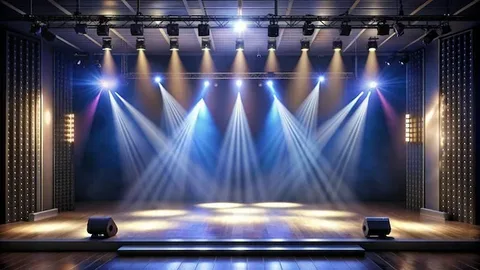
Theatrical lighting effects are the creative use of light, color, intensity, movement, and shadows to enhance storytelling on stage. In simple terms, they help transform a plain stage into a powerful visual experience. From Broadway shows in New York to school dramas in Texas, lighting plays a key role in shaping how audiences feel during a performance.
At the most basic level, theatrical lighting effects guide attention. They tell the audience where to look, when to feel excitement, and when to sense drama or tension. Without proper lighting, even the best actors and scripts can feel flat.
In modern US theatre productions, stage lighting effects are used to create mood shifts instantly. A warm amber light can show happiness, while a cold blue tone can suggest sadness or mystery. Directors rely heavily on theatrical lighting effects to support storytelling without saying a word.
Today, advanced theatrical lighting effects are not limited to big Broadway stages. Even small community theatres and school auditoriums use them to improve stage quality. With the rise of digital control systems,theatrical stage lighting has become more precise, flexible, and creative than ever before.
How Do theatrical lighting effects Work in Modern Theatre?
Modern theatrical lighting effects work through a combination of lighting instruments, control systems, and design planning. Lighting designers use DMX-controlled systems to adjust brightness, color, and movement in real time.
These systems allow designers to build smooth transitions and dramatic scenes. For example, in a live drama production in Los Angeles, theatrical stage lighting can shift from bright daylight to a dark storm scene within seconds.
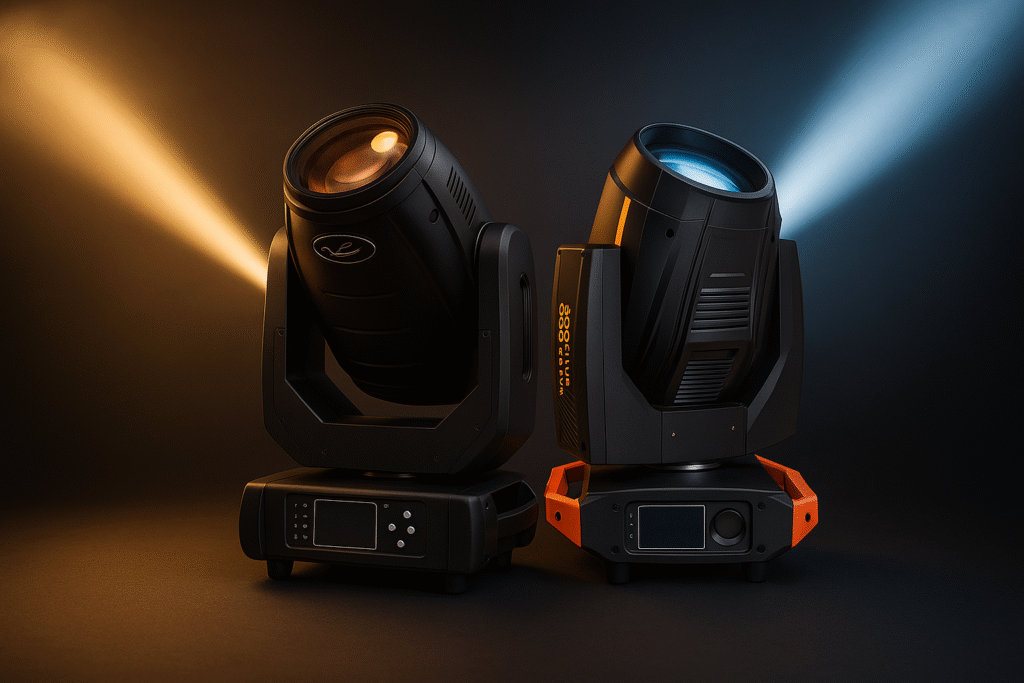
Many productions also rely on LED fixtures, moving head lights, and spotlights to achieve dynamic stage lighting effects. These tools give designers more control and reduce energy costs, especially in large US theatres and touring concerts.
What Are the Most Common theatrical lighting effects for stage performances?
There are many types of theatrical lighting effects for stage performances, each serving a unique purpose. Some of the most common include:
- Spotlights for focusing attention on actors
- Color washes to set mood and atmosphere
- Strobe lights for action or dramatic moments
- Gobo patterns to project shapes or textures
- Backlighting for silhouette effects
These theatrical lighting effects for stage performances help directors tell stories visually. In Broadway musicals, lighting often changes rapidly to match music beats and emotional shifts.
Designers also use creative lighting effects for theatre shows to enhance imagination. For example, a forest scene can be created using green lighting, shadow patterns, and moving light beams.
What Techniques Are Used in Theatre Lighting Design?
Lighting professionals use several theatre lighting effects techniques to build visually rich productions. These include:
1. Layered Lighting
This involves combining multiple lights at different angles to create depth.
2. Color Temperature Control
Warm and cool tones are balanced to match emotional scenes.
3. Movement and Transitions
Smooth fades and quick flashes are used depending on the scene’s intensity.
These theatre lighting effects techniques are essential in both large productions and theatrical lighting effects for small stages, where space is limited but creativity is still important.
What Equipment Is Used in Theatre Lighting?
To achieve professional results, designers rely on specialized tools and theatre lighting effects equipment. Common equipment includes:
- Fresnel lights
- LED PAR cans
- Moving head fixtures
- Follow spots
- Lighting consoles and software systems
Modern theatre lighting effects equipment is often digital and programmable. This allows technicians to pre-set lighting cues for entire performances.
In many US theatres, computerized systems are now standard, making theatrical lighting control systems a core part of production management. These systems allow precise timing, synchronization with music, and instant adjustments during live shows.
How Do Lighting Designers Plan a Theatre Setup?
A proper theatre lighting setup guide starts with understanding the script, stage layout, and emotional tone of the performance. Designers then decide where lights should be placed and how they should move.
A basic theatre lighting setup guide includes:
- Front lighting for visibility
- Side lighting for depth
- Backlighting for drama
- Accent lighting for focus points
In US community theatres, designers often work with limited budgets but still achieve impressive results using smart planning and creative theatrical lighting design tips.
What Are Some Creative Ideas for Theatre Lighting?
Designers often experiment with theatre lighting effects ideas to make performances more engaging. Some popular ideas include:
- Using color shifts to show time changes
- Simulating weather effects like rain or lightning
- Creating dream sequences with soft, floating light
- Using shadows for mystery scenes
These theatre lighting effects ideas are especially useful in drama productions and experimental theatre.
For concerts, theatrical lighting effects for concerts are even more dynamic, often synchronized with music beats, creating a full sensory experience for audiences in places like Las Vegas and New York arenas.
How Are Lighting Effects Used in Drama and Live Shows?
In drama productions, stage lighting effects for drama productions are essential for emotional storytelling. A single spotlight can highlight a character’s isolation, while fading lights can signal memory or time passing.
Similarly, stage lighting effects for live performances help maintain audience engagement in concerts, dance shows, and musicals. Lighting becomes part of the performance itself, not just background support.
In fact, many US touring productions depend heavily on lighting effects used in theatre productions to maintain consistency across different venues.
What Are the Best Lights for Theatrical Effects?
Choosing the best lights for theatrical effects depends on the size of the stage and type of production. LED lights are popular due to their flexibility and energy efficiency.
Other commonly used options include:
- Ellipsoidal lights for focused beams
- Floodlights for wide coverage
- Moving heads for dynamic motion effects
These options allow designers to create powerful theatrical lighting effects for stage performances that adapt to any storytelling need.
How Can Beginners Improve Theatre Lighting Skills?
Beginners can improve by studying professional productions and practicing simple setups. Learning theatrical lighting design tips such as balancing brightness and avoiding overexposure is key.
They should also experiment with theatrical lighting effects for small stages, where limited space encourages creativity and problem-solving.
Understanding timing, color psychology, and stage positioning is essential for mastering stage lighting effects in any setting.
Final Words
theatrical lighting effects are a powerful part of modern stage storytelling. Whether used in Broadway shows, school plays, or live concerts across the United States, lighting helps bring emotions and stories to life.
With the right tools, techniques, and creativity, even beginners can design impactful scenes. From theatre lighting effects techniques to advanced digital systems, the world of stage lighting continues to evolve rapidly.
As technology improves, stage lighting effects will become even more immersive, giving audiences unforgettable visual experiences in every performance.
FAQs
1. What are theatrical lighting effects in simple terms?
They are lighting techniques used to enhance mood, focus, and storytelling in stage performances.
2. Why are lighting effects important in theatre?
They help create emotion, guide audience attention, and support storytelling visually.
3. What equipment is needed for theatre lighting?
Common tools include LED lights, spotlights, dimmers, and digital control systems.
4. Can small theatres use professional lighting effects?
Yes, even small stages can use modern lighting tools for high-quality results.
5. What is the role of lighting in live performances?
Lighting enhances music, drama, and movement, making performances more engaging.