Special effects lighting plays a crucial role in transforming ordinary environments into visually captivating experiences. Whether it is used in film production, live events, photography, theater, or architectural design, special effects lighting enhances mood, depth, and storytelling. This form of lighting goes beyond basic illumination by introducing dynamic visuals such as color shifts, movement, shadows, and atmospheric effects. In today’s digital and entertainment-driven world, the demand for creative lighting solutions continues to grow, making it an essential component of visual design.
Understanding special effects lighting requires more than just knowing how lights work; it involves mastering how light interacts with space, objects, and human perception. From dramatic stage performances to immersive concerts and cinematic scenes, lighting effects influence how audiences feel and respond. This guide explores everything you need to know about special effects lighting, including its types, techniques, benefits, and practical applications.
What is Special Effects Lighting?
Special effects lighting refers to the use of advanced lighting techniques and equipment to create visual impact beyond standard illumination. Unlike traditional lighting, which focuses on visibility, special effects lighting is designed to evoke emotions, highlight specific elements, and create immersive environments. It combines creativity with technology to produce stunning visual effects.
This type of lighting often includes moving lights, color-changing LEDs, strobe effects, fog-enhanced beams, and projection-based visuals. These elements work together to create a multi-dimensional experience that enhances storytelling and audience engagement. Special effects lighting is widely used in industries such as entertainment, advertising, interior design, and event production.
Importance of Special Effects Lighting in Visual Design
Special effects lighting is essential because it shapes how people perceive a scene or environment. Lighting can make a space feel warm and inviting or dark and mysterious, depending on how it is used. In film and theater, it helps convey emotions and supports the narrative by directing the viewer’s attention to key moments.
In events and concerts, special effects lighting creates energy and excitement, making performances more engaging. It also plays a significant role in branding and marketing by enhancing product displays and creating memorable experiences. Without effective lighting, even the most well-designed setups can appear flat and uninspiring.
Types of Special Effects Lighting
LED Lighting Effects
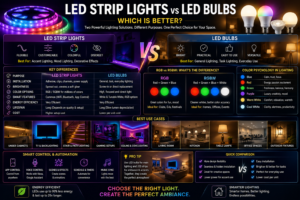
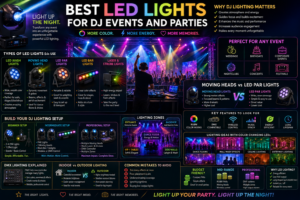
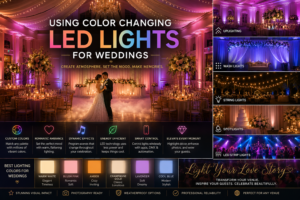
LED lighting is one of the most popular choices for special effects lighting due to its versatility and energy efficiency. LED lights can produce a wide range of colors and effects, making them ideal for dynamic lighting setups. They are commonly used in stage lighting, architectural lighting, and decorative installations.
These lights can be programmed to change colors, pulse with music, or create smooth transitions between different lighting scenes. Their long lifespan and low heat emission also make them a practical choice for extended use in various environments.
Moving Head Lights
Moving head lights are advanced lighting fixtures that can rotate and move in different directions. These lights are widely used in concerts, stage performances, and large-scale events. They allow lighting designers to create dynamic effects by directing beams of light across the stage or audience.
The flexibility of moving head lights enables precise control over light positioning, intensity, and color. This makes them ideal for creating dramatic lighting sequences that enhance the overall visual experience.
Laser Lighting Effects
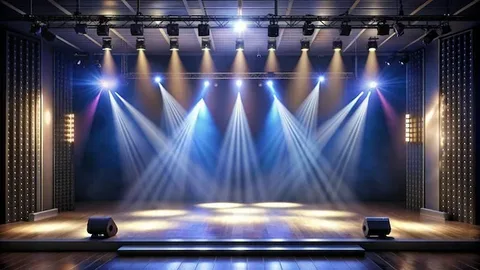
Laser lighting is used to create sharp, focused beams of light that can form patterns, animations, and visual effects. These lights are often seen in concerts, clubs, and entertainment venues where high-energy visuals are required.
Laser effects can be synchronized with music to produce stunning displays that captivate audiences. However, they require careful handling and proper safety measures to ensure safe usage.
Strobe Lighting
Strobe lights produce rapid flashes of light, creating a slow-motion or dramatic effect. This type of lighting is commonly used in concerts, dance floors, and theatrical performances to add intensity and excitement.
Strobe lighting can highlight specific moments in a performance or create a sense of urgency and movement. When used correctly, it can significantly enhance the visual impact of a scene.
Fog and Haze Lighting Effects
Fog and haze machines are often used alongside special effects lighting to enhance visibility of light beams. These atmospheric effects allow light to travel through the air, making beams and patterns more visible.
This combination is particularly effective in stage performances and concerts, where it adds depth and dimension to the lighting design. It also helps create a more immersive environment for the audience.
Techniques Used in Special Effects Lighting
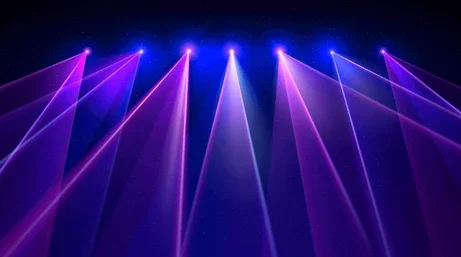
Color Mixing and Transitions
Color is a powerful tool in special effects lighting. By combining different colors, lighting designers can create specific moods and atmospheres. Smooth transitions between colors can enhance the visual flow of a scene, while sudden changes can create dramatic effects.
Understanding color theory is essential for achieving the desired impact. Different colors evoke different emotions, and their combination can influence how a scene is perceived.
Light Movement and Positioning
The movement of light plays a key role in creating dynamic effects. By changing the direction and angle of light, designers can highlight different elements and create a sense of motion.
Positioning lights at various angles also helps in creating depth and contrast. This technique is commonly used in stage lighting to draw attention to performers and enhance the overall composition.
Intensity Control
Adjusting the brightness of lights allows designers to create contrast and focus. High-intensity lighting can highlight key elements, while low-intensity lighting can create subtle and intimate effects.
Proper intensity control ensures that lighting does not overpower the scene but instead complements it. It also helps in maintaining visual balance and clarity.
Shadow and Silhouette Effects
Shadows can be used creatively to add depth and mystery to a scene. By controlling the direction and intensity of light, designers can create dramatic silhouettes and shadow patterns.
This technique is often used in photography and theater to create visually striking compositions. It adds an artistic element to lighting design and enhances storytelling.
Applications of Special Effects Lighting
Film and Television Production
In film and television, special effects lighting is used to create realistic and visually appealing scenes. It helps in setting the mood, highlighting characters, and enhancing the overall narrative.
Lighting techniques are carefully planned to match the tone of the scene, whether it is a dramatic moment or a light-hearted sequence. The use of special effects lighting ensures that each scene looks visually engaging.
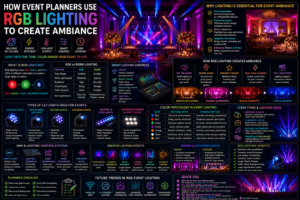
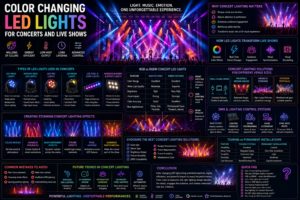
Live Events and Concerts
Special effects lighting is a key element in live events and concerts. It creates an immersive experience for the audience by synchronizing lighting with music and performances.
Dynamic lighting effects can transform a stage into a visually stunning environment, making performances more memorable. This type of lighting is essential for creating high-energy events.
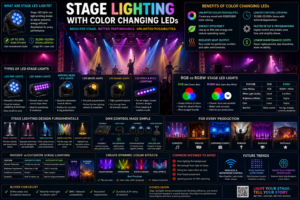
Theater and Stage Performances
In theater, lighting is used to guide the audience’s attention and support the storyline. Special effects lighting enhances the visual appeal of stage productions and adds depth to the performance.
It also helps in creating different settings and moods without changing physical props. This makes it an important tool for stage designers.
Architectural and Interior Design
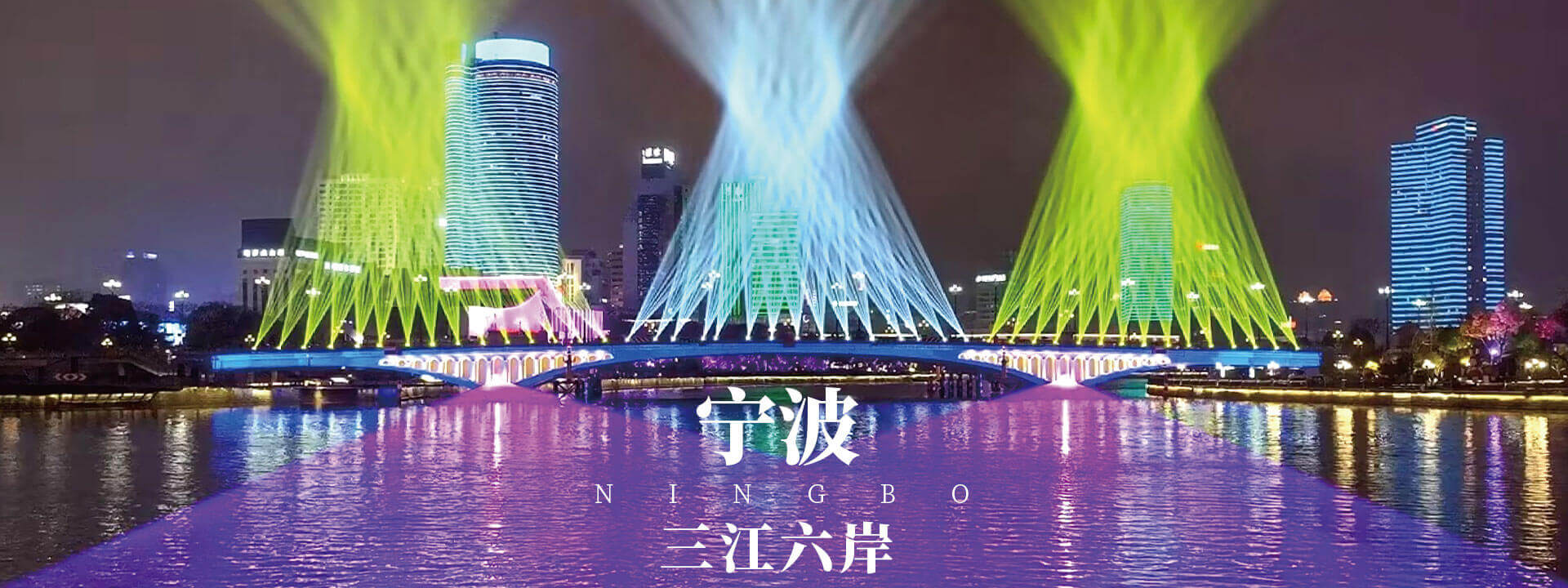
Special effects lighting is increasingly used in architectural and interior design to enhance the appearance of spaces. It can highlight structural features, create ambiance, and improve the overall aesthetic.
From modern buildings to luxury interiors, lighting plays a significant role in defining the character of a space. It adds a unique touch that enhances visual appeal.
Photography and Visual Media
In photography, lighting is one of the most important elements. Special effects lighting allows photographers to experiment with different styles and create unique images.
It helps in controlling shadows, highlights, and colors, resulting in visually striking photographs. This makes it an essential tool for professional photographers.
Benefits of Special Effects Lighting
Special effects lighting offers numerous benefits that make it an essential part of visual design. It enhances creativity by allowing designers to experiment with different effects and techniques. It also improves audience engagement by creating visually appealing environments.
Another major benefit is its versatility, as it can be used in various industries and applications. Additionally, modern lighting technologies such as LED systems are energy-efficient and cost-effective, making them a practical choice for long-term use.
Challenges in Special Effects Lighting
Despite its advantages, special effects lighting also comes with certain challenges. One of the main challenges is the complexity of setup and operation. Advanced lighting systems require technical knowledge and experience to use effectively.
Another challenge is ensuring safety, especially when using high-intensity lights or laser effects. Proper precautions must be taken to prevent accidents and ensure safe usage.
Cost can also be a factor, as high-quality lighting equipment can be expensive. However, the benefits often outweigh the investment, especially for professional applications.
Future Trends in Special Effects Lighting
The future of special effects lighting is driven by technological advancements. Innovations such as smart lighting systems, AI-controlled lighting, and wireless control solutions are transforming the industry.
These technologies allow for greater customization and control, making it easier to create complex lighting effects. As technology continues to evolve, special effects lighting will become even more advanced and accessible.
Conclusion
Special effects lighting is a powerful tool that enhances visual experiences across various industries. From entertainment and events to architecture and photography, it plays a crucial role in creating engaging and immersive environments. By understanding the different types, techniques, and applications of special effects lighting, designers and creators can unlock new possibilities and elevate their work.
As technology continues to advance, the potential for creative lighting solutions will only grow. Whether you are a beginner or a professional, mastering special effects lighting can significantly improve your ability to create impactful visuals.
FAQs
What is special effects lighting used for?
Special effects lighting is used to create visual impact, enhance mood, and improve storytelling in various fields such as film, events, theater, and design. It goes beyond basic illumination to create dynamic and engaging visuals.
What are the most common types of special effects lighting?
The most common types include LED lighting, moving head lights, laser lighting, strobe lights, and fog-enhanced lighting effects. Each type serves a different purpose and can be combined for more complex effects.
Is special effects lighting energy-efficient?
Modern special effects lighting, especially LED-based systems, is highly energy-efficient. These lights consume less power while providing high performance and long lifespan.
Can beginners use special effects lighting?
Yes, beginners can use special effects lighting, but it requires learning basic techniques and understanding how different lighting elements work. Starting with simple setups is recommended.
What industries use special effects lighting the most?
Industries such as entertainment, film production, live events, theater, photography, and architecture heavily rely on special effects lighting to enhance visual experiences.