In the world of professional event production, lighting is not just about visibility—it’s about creating unforgettable experiences. From large-scale concerts in the United States to theatre productions and DJ events, lighting defines mood, energy, and audience engagement. Among all lighting fixtures, moving head beam lights are widely recognized for their power, precision, and versatility.
If you are planning to upgrade your lighting system or invest in high-performance fixtures, understanding how a stage light beam works will help you make the right decision. This guide covers features, benefits, applications, and expert buying tips to help you choose the best solution.
What Is a Stage Light Beam and How It Works
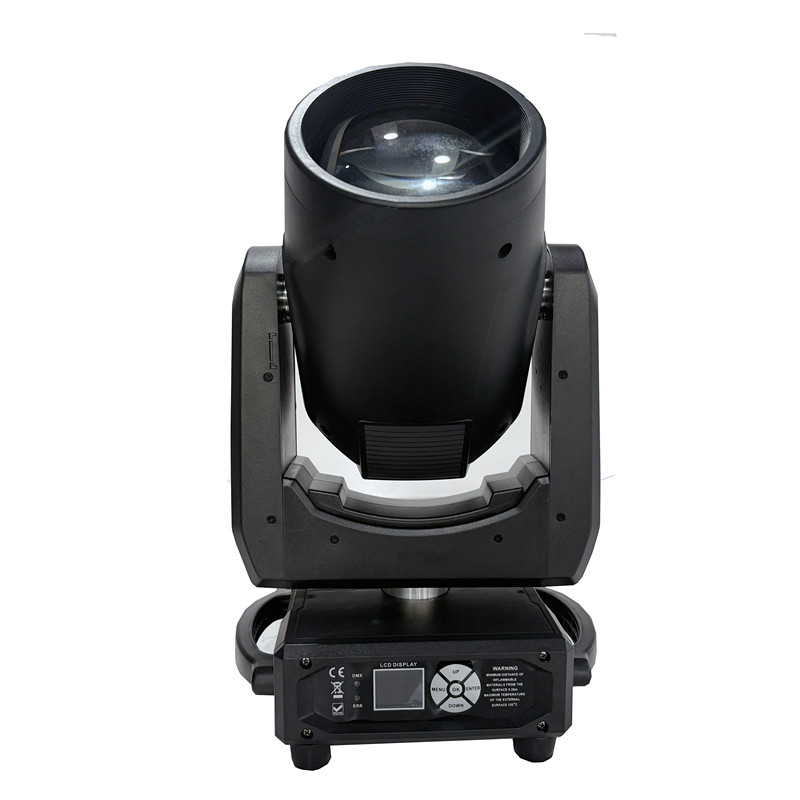
A stage light beam is a concentrated, high-intensity light output designed to create sharp and visible beams in the air. Unlike traditional lighting fixtures, beam lights produce narrow rays that can travel long distances without losing intensity.
Modern moving head beam stage lighting systems combine motorized movement, advanced optics, and digital control to deliver dynamic effects. These fixtures can rotate, tilt, and change colors, making them ideal for live productions and entertainment venues across the USA.
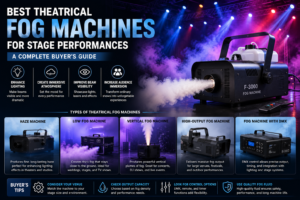
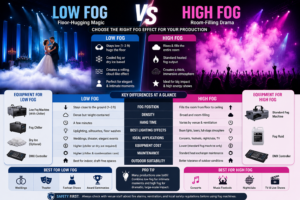
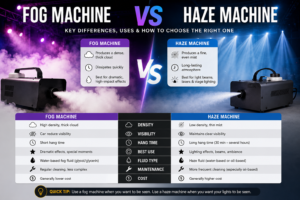
Because of their focused output, a stage light beam becomes highly visible when combined with fog or haze, allowing lighting designers to create stunning aerial effects.
Key Features of Moving Head Beam Lights
1. High-Intensity Output
One of the most important features of any stage light beam fixture is brightness. Today’s high brightness stage beam lights are designed to perform in large venues, outdoor events, and stadium concerts.
2. Motorized Movement
With smooth pan and tilt functionality, moving head beam stage lighting allows precise positioning. This makes it easier to track performers or create synchronized motion effects.
3. Advanced Optical System
A quality stage light beam fixture uses precision lenses to produce sharp and consistent beams. This is essential for professional-grade stage beam lighting effects.
4. Color and Gobo Effects
Modern beam lights include color wheels and pattern projections, giving designers creative flexibility for different events.
5. DMX Control Integration
With DMX stage beam light control, operators can program lighting sequences, automate shows, and synchronize multiple fixtures for complex productions.
Benefits of Using Stage Beam Lighting
1. Strong Visual Impact
A well-designed stage light beam setup creates dramatic effects that instantly capture attention. This is why beam stage lights for live events are widely used in concerts and festivals.
2. Versatility Across Applications
From nightclubs to theatres, a stage light beam can adapt to multiple environments:
- stage beam light for DJ events adds energy to dance floors
- beam light for theatre stage lighting enhances storytelling
- stage beam lighting for clubs creates immersive nightlife experiences
3. Energy Efficiency
Modern systems like LED beam light for stage performance consume less power while delivering high output, making them cost-effective for long-term use.
4. Professional Quality Output
Using professional beam lights for stage shows ensures consistent brightness, durability, and reliability for demanding productions.
5. Scalable for Any Event Size
Whether you’re working on a small indoor setup or a large outdoor festival, a stage light beam system can scale easily, making it perfect for stage beam light for event production.
Applications of Moving Head Beam Lights
Concerts and Festivals
For large-scale events, the best stage beam light for concerts provides long-distance projection and powerful aerial visuals that enhance audience experience.
DJ and Club Events
Lighting plays a key role in nightlife environments. A stage light beam combined with music creates synchronised visual effects, especially in stage beam lighting for clubs.
Theatre Productions
In theatre, precision lighting is essential. A beam light for theatre stage lighting helps highlight actors, create mood, and guide audience focus.
Corporate Events and Productions
For professional setups, beam stage lights for live events deliver clean, sharp lighting that enhances brand presentations and stage visibility.
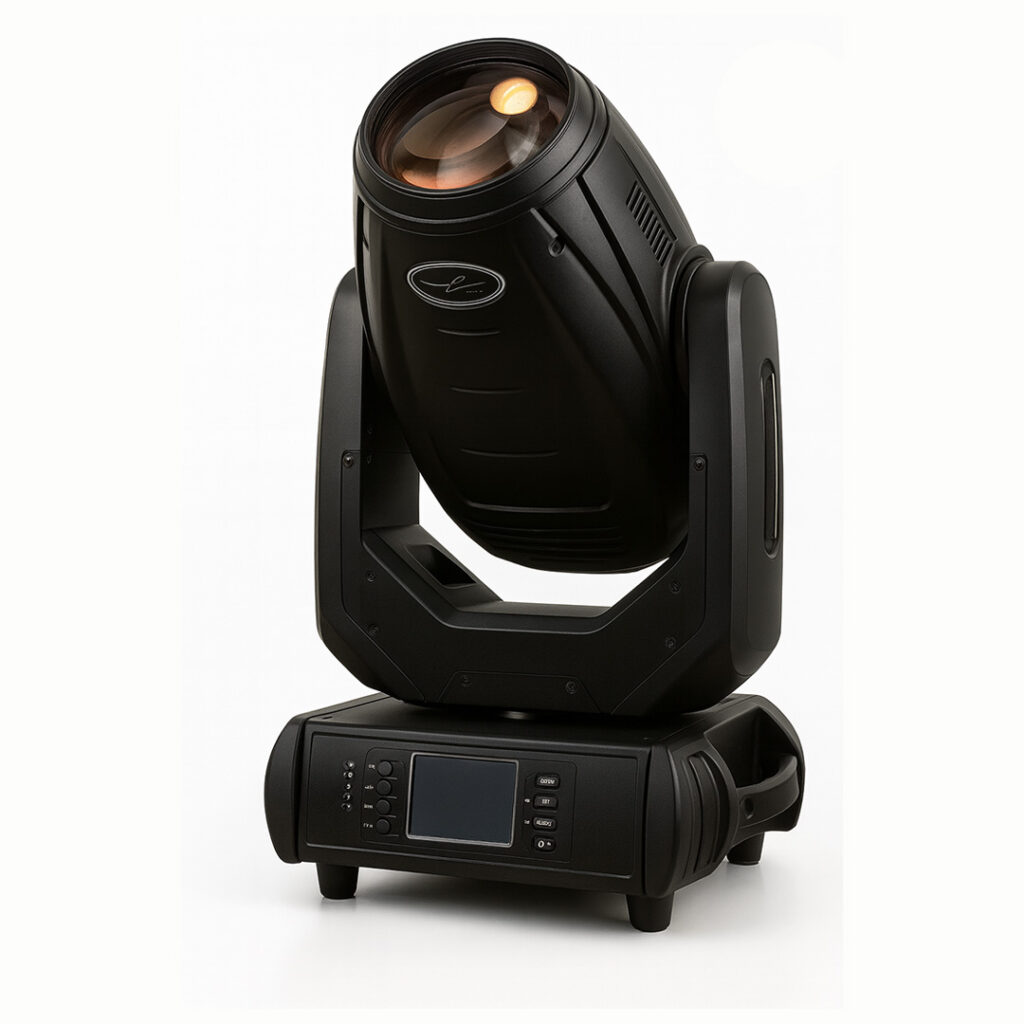
Beam Stage Lighting Setup Guide
Creating the perfect lighting setup requires planning and execution. Here’s a simple beam stage lighting setup guide:
1. Understand Your Venue
The size and type of venue will determine how many fixtures you need and how to position each stage light beam.
2. Strategic Placement
Position lights at different angles to maximize coverage and create layered effects.
3. Use Fog or Haze
Atmospheric effects enhance stage beam lighting effects, making beams more visible and impactful.
4. Program with DMX
Using DMX stage beam light control, you can automate movements and synchronize lighting with music.
5. Test Before the Event
Always test your stage light beam setup to ensure smooth operation and avoid last-minute issues.
Stage Beam Light Installation Tips
Proper installation is critical for performance and safety. Follow these stage beam light installation tips:
- Secure all fixtures properly using rigging systems
- Ensure proper ventilation for heat management
- Use high-quality cables and connectors
- Organize wiring to avoid accidents
- Test movement and DMX control before operation
How to Choose the Right Stage Beam Light
1. Brightness and Power
For large venues, choose high brightness stage beam lights to ensure visibility.
2. Event Type
Different events require different solutions:
- Concerts → best stage beam light for concerts
- Clubs → stage beam lighting for clubs
- Theatre → beam light for theatre stage lighting
3. Control Features
Make sure your system supports DMX stage beam light control for advanced programming.
4. Manufacturer Reliability
Choosing trusted stage beam light manufacturers ensures durability and long-term performance.
5. Budget Consideration
Investing in professional beam lights for stage shows may cost more initially but delivers better results over time.
Common Mistakes to Avoid
- Overloading electrical systems
- Poor fixture placement
- Ignoring DMX programming
- Choosing low-quality equipment
- Skipping maintenance
Avoiding these mistakes will help your stage light beam system perform efficiently.
Final Words
Investing in a high-quality stage light beam system can completely transform your event production. From concerts and theatre performances to corporate shows and DJ events, these lights deliver unmatched brightness, flexibility, and visual impact.
By understanding features, applications, and buying factors, you can confidently choose the right solution for your needs. Whether you are upgrading your setup or starting from scratch, the right lighting will elevate your production to a professional level.
FAQs
1. What is a stage light beam used for?
A stage light beam is used to create sharp, visible lighting effects for concerts, theatres, and events.
2. Are beam lights suitable for outdoor events?
Yes, especially high brightness stage beam lights designed for large venues.
3. Do I need DMX control?
For professional setups, DMX stage beam light control is highly recommended.
4. Can beam lights be used without fog?
Yes, but fog enhances stage beam lighting effects significantly.
5. How long do beam lights last?
Products from reliable stage beam light manufacturers can last for years with proper care.