Stage lighting plays a major role in creating unforgettable experiences, whether it’s a concert, wedding, or corporate event. A moving beam light is one of the most powerful tools in modern lighting setups. It produces sharp, focused beams that can transform any stage into a visually stunning environment.
However, many beginners and even experienced users make common mistakes that reduce the impact of their lighting design. In this guide by SoundDance, we’ll walk you through the most frequent errors and how to avoid them, so you can get the best results from your setup.
What Is a moving beam light and Why Is It Important?
A moving beam light is a type of stage lighting fixture that produces narrow, intense beams of light. It is commonly used in concerts, clubs, and live events to create dynamic effects and movement across the stage.
Unlike traditional lighting, a moving beam light can pan, tilt, and change colors, making it ideal for creating energy and excitement. Whether you are using a moving head beam light 230W or a modern LED moving head beam light, the goal is to enhance the audience experience.
1. Using the Wrong Placement for Your Lights
Why does placement matter?
Improper positioning is one of the biggest mistakes when using a moving beam light. If lights are placed incorrectly, the beams may not reach the intended areas or could blind the audience.
How to fix it:
- Position lights at strategic angles
- Avoid pointing directly into the audience’s eyes
- Test beam direction before the event
For example, when setting up beam stage lighting, placing fixtures too low can reduce coverage and visual impact.
2. Ignoring Proper Programming and DMX Control
What goes wrong?
Many users rely on auto modes instead of proper programming. This limits the creative potential of your moving beam light.
Solution:
- Use DMX controllers for better control
- Program scenes in advance
- Sync lights with music
Using DMX moving beam lights allows you to create smooth transitions and professional-level effects.

3. Overusing Effects and Movements
Why is this a problem?
Too many movements or effects can overwhelm the audience. Instead of enhancing the show, it creates visual chaos.
Best practice:
- Use effects with purpose
- Keep transitions smooth
- Match lighting with the mood of the event
Even with high-end professional stage beam lights, less is often more.
4. Not Matching Lights with Venue Size
The issue:
Using powerful lights in a small venue or weak lights in a large venue can ruin the experience.
Tips:
- For large venues, use moving head lights for concerts
- For smaller spaces, choose compact fixtures
- Adjust brightness accordingly
Choosing the right moving beam lights for the stage ensures proper coverage and performance.
5. Poor Maintenance and Cleaning
What happens if you neglect maintenance?
Dust and dirt can reduce brightness and affect beam quality. Over time, this can damage your moving beam light.
Maintenance tips:
- Clean lenses regularly
- Check fans and ventilation
- Inspect cables and connections
A well-maintained moving beam light delivers consistent performance and lasts longer.
6. Ignoring Safety Measures
Why is safety critical?
Improper installation can lead to accidents, especially when lights are mounted overhead.
Safety checklist:
- Use secure mounting brackets
- Double-check rigging
- Avoid overheating
Safety is especially important when working with DJ moving head lights in crowded environments.
7. Not Understanding Beam Angles and Effects
The mistake:
Many users don’t fully understand how beam angles affect lighting output.
How to improve:
- Learn about beam spread and focus
- Experiment with gobos and colors
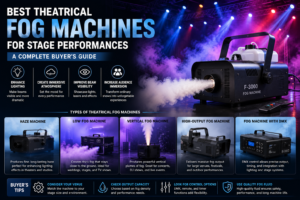
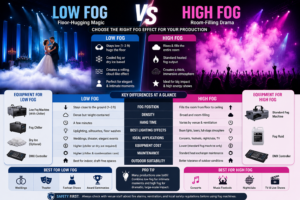
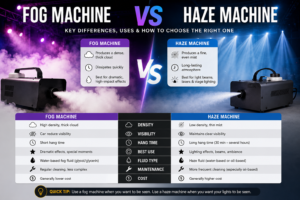
- Use haze or fog for better visibility
Strong stage lighting beam effects depend on proper understanding of how beams interact with the environment.
Helpful Tips for Better Results
- Always test your setup before the event
- Use haze machines to enhance beams
- Combine different lighting types for depth
- Invest in a reliable moving head beam light for events
A high-quality moving beam light can completely transform your stage when used correctly.
Why Choosing the Right Equipment Matters
Using the right equipment from a trusted brand like SoundDance ensures better performance and reliability. Whether you’re working with a moving beam light or advanced lighting systems, quality always makes a difference.
Modern lighting solutions such as LED moving head beam light fixtures are energy-efficient and provide excellent output, making them ideal for both small and large events.
Final Words
A moving beam light is a powerful tool that can elevate any stage performance when used correctly. By avoiding these common mistakes, you can create stunning lighting effects that captivate your audience and enhance the overall experience.
Remember, great lighting is not just about equipment—it’s about how you use it. With the right approach, proper planning, and high-quality gear from SoundDance, your stage lighting can truly stand out
Frequently Asked Questions (FAQs)
1. What is the main use of a moving beam light?
A moving beam light is used to create sharp, dynamic beams that enhance stage visuals and audience engagement.
2. Are moving beam lights suitable for small events?
Yes, but you should choose lower-powered options to match the venue size.
3. How do I control a moving beam light?
You can control it using DMX controllers, which allow precise programming and customization.
4. Do I need haze or fog for beam lights?
Yes, haze or fog helps make the beams visible and enhances the overall effect.
5. How often should I maintain my lighting equipment?
Regular cleaning and inspection before and after events will keep your lights in top condition.