Lighting is one of the most important parts of any successful live event. Whether it is a concert, corporate show, DJ performance, theater production, church event, or outdoor festival, lighting helps create the atmosphere that audiences remember. Modern lighting systems do much more than simply brighten a stage. They create emotion, improve visibility, highlight performers, and make events feel professional.
Today, event organizers across the United States invest heavily in advanced lighting technology because audiences expect immersive visual experiences. Choosing the right lighting setup can completely transform a venue and improve audience engagement.
At Sound Dance, professionals understand how important it is to select reliable lighting solutions that combine performance, flexibility, and durability. Understanding the various lighting options available today helps event planners and production teams make smarter decisions for every type of event.
Understanding types of stage lights
There are many kinds of stage lights used in modern live events, and each fixture serves a specific purpose. Some lights focus attention on performers, while others create dramatic effects, colorful backgrounds, or moving visual patterns.
Professional event planners usually combine several stage lighting types together to build a complete lighting design. This creates depth, excitement, and better audience experiences.
Different types of stage lights are used depending on the venue size, event style, audience expectations, and technical requirements. Smaller venues may only need a few LED fixtures, while large festivals often use hundreds of lighting units working together.
Modern productions rely on advanced professional stage lights to deliver consistent brightness, smooth color mixing, and programmable effects. As live entertainment continues to evolve, lighting systems are becoming more intelligent and energy efficient.
Understanding the most common types of stage lights helps event organizers choose the right equipment for concerts, theaters, weddings, clubs, and touring productions.
Why Are Stage Lights Important for Live Events?
Lighting plays a major role in shaping the audience experience. Without proper lighting, performers may not be clearly visible, and the overall production can appear unprofessional.
The right types of stage lights help create excitement, emotional connection, and visual storytelling during performances. In the entertainment industry, lighting designers carefully plan every lighting angle, color, and movement to match the event atmosphere.
Benefits of professional lighting include:
- Better audience focus
- Enhanced stage visibility
- Improved event atmosphere
- Professional production quality
- Stronger emotional impact
- Better audience engagement
Many venues across the US now use advanced stage lighting equipment to create immersive experiences for concerts, conferences, and theatrical productions.
LED PAR Lights
Among the most popular types of stage lights, LED PAR fixtures are widely used because they are energy efficient, compact, and versatile.
LED PAR lights are commonly used for:
- Venue uplighting
- Background lighting
- Stage color washing
- Wedding events
- Small performances
These fixtures are important components of modern stage lighting fixtures because they offer vibrant colors while generating less heat than traditional lighting systems.
Many event companies prefer LED technology because it lowers power consumption and reduces maintenance costs.
Professional venues often combine multiple types of stage lights with LED PAR systems to create balanced stage illumination.
Moving Head Lights
Moving head fixtures are essential for modern concerts, festivals, and nightclub productions. These intelligent fixtures can rotate, tilt, zoom, and create dynamic effects across the stage and audience area.
The demand for the best moving head lights for stage productions continues to grow in the US entertainment market.
Popular features include:
- Automated movement
- Color mixing
- Beam shaping
- Pattern projection
- Zoom functionality
Many production teams compare different types of stage lights before selecting moving fixtures for large-scale events.
Advanced RGBW moving head wash lights are frequently used in touring concerts because they create powerful color effects and smooth stage coverage.
Spotlights and Follow Spots
Spotlights are traditional but highly important types of stage lights used to focus attention on performers, speakers, or actors.
These fixtures are commonly used in:
- Theater productions
- Corporate presentations
- Award ceremonies
- Live music events
Spotlights help maintain audience focus throughout the performance. Professional lighting designers often combine spotlights with other types of stage lights to improve depth and stage visibility.
Large theaters and touring productions rely heavily on spotlight systems for dramatic scene transitions and performer tracking.
Wash Lights
Wash lights provide soft and even lighting coverage across the stage. These fixtures are ideal for creating atmosphere and improving general visibility.
Wash fixtures are popular in:
- Churches
- Schools
- TV studios
- Concert stages
- Event halls
Modern professional LED stage lighting systems usually include wash fixtures because they offer flexible color control and smooth blending.
Lighting professionals frequently combine wash fixtures with other types of stage lights to create layered lighting designs that look balanced and professional.
Beam Lights
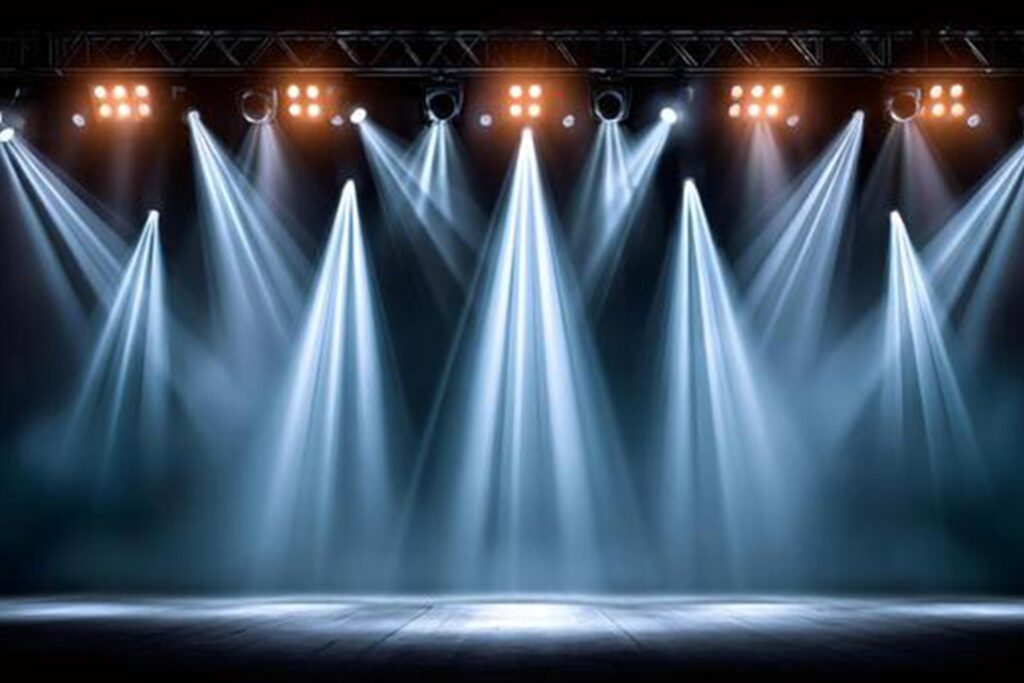
Beam fixtures create narrow and intense beams of light that cut through haze and smoke effects. These lights are especially popular in EDM concerts, large music festivals, and arena productions.
Many event companies choose high brightness beam stage lights because they remain visible even in large outdoor venues.
Powerful beam fixtures are considered one of the most exciting types of stage lights for high-energy productions because they create dramatic visual movement.
Theater Lighting Systems
Theater stage lighting focuses heavily on storytelling and emotional mood. Unlike concerts, theater lighting is usually more controlled and scene-focused.
Professional theaters often use:
- Fresnel lights
- Ellipsoidal fixtures
- Follow spots
- Soft wash systems
Different types of stage lights are carefully selected depending on scene transitions and dramatic requirements.
Large performing arts centers may invest in advanced commercial theater lighting systems to manage complex lighting cues and programming.
Concert Lighting Systems
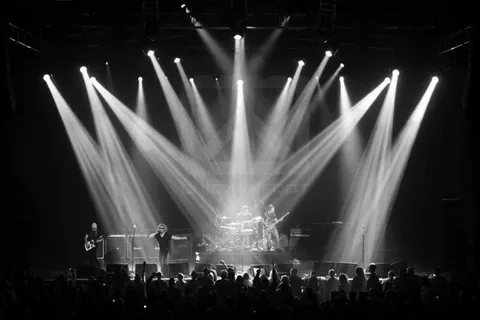
Concert productions require energetic and visually exciting lighting designs. Modern concert stage lights often include moving beams, strobes, LED walls, and synchronized lighting effects.
Large festivals use advanced types of stage lights to match music timing and improve audience interaction.
Professional concert setups usually include:
- Moving head beams
- LED wash lights
- DMX controllers
- Blinder lights
- Laser systems
Reliable stage lighting equipment for concerts helps production teams maintain consistency during live touring performances.
DJ and Club Lighting
Nightclubs and DJ performances depend heavily on lighting effects to build atmosphere and energy. Popular DJ stage lights include strobes, lasers, wash lights, and moving heads.
Entertainment venues often install compact types of stage lights that can react to music automatically.
Modern club lighting systems focus on:
- Fast-moving effects
- Bright color transitions
- Music synchronization
- Compact installation
- Automated programming
These systems help DJs create immersive experiences for audiences during live performances.
How DMX Lighting Systems Work
Professional productions often use DMX technology to control lighting systems. DMX controlled stage lights allow operators to manage brightness, movement, color, and effects from a single control console.
Most modern types of stage lights support DMX functionality because it improves synchronization and programming flexibility.
DMX systems are commonly used for:
- Concert tours
- Theater productions
- Corporate events
- Worship venues
- Festivals
This technology allows lighting designers to create smooth and professional transitions throughout an event.
How to Choose the Right Stage Lighting
Many event organizers ask about how to choose stage lights for different venues and productions.
The best lighting setup depends on several factors:
Venue Size
Large arenas require more powerful fixtures, while smaller venues can use compact LED systems.
Event Type
Different types of stage lights are better suited for concerts, weddings, theaters, or corporate presentations.
Budget
LED fixtures may cost more initially but reduce long-term operating expenses.
Control Features
Advanced productions often require programmable systems with DMX compatibility.
Outdoor Requirements
Festivals and outdoor productions usually require durable outdoor waterproof stage lights that can withstand weather conditions.
Choosing the correct lighting setup helps improve production quality while reducing technical issues during live events.
Latest Trends in Live Event Lighting
Modern live performance lighting continues to evolve rapidly with smarter technology and automated systems.
Popular industry trends include:
- Wireless lighting control
- LED pixel mapping
- AI-assisted lighting programming
- Motion tracking systems
- Interactive audience effects
The growth of intelligent lighting for live events allows production teams to create synchronized visual experiences with greater efficiency.
Many US venues are upgrading their event lighting equipment to improve flexibility, reduce power consumption, and support advanced programming features.
Helpful Tips for Better Stage Lighting
Use Multiple Lighting Layers
Combining wash lights, spotlights, and beam fixtures creates a more dynamic visual experience.
Test Lighting Before the Event
Always run a full lighting rehearsal before guests arrive.
Choose Energy-Efficient Fixtures
LED systems reduce power usage and maintenance costs.
Match Lighting to the Event Mood
Different events require different lighting styles and color temperatures.
Prioritize Safety
Always use certified rigging systems and trained lighting technicians.
Final Words
Modern live productions depend heavily on professional lighting systems to create memorable audience experiences. Understanding different types of stage lights helps event organizers choose the right equipment for concerts, theaters, festivals, and corporate events.
From intelligent moving fixtures to advanced LED systems, today’s lighting technology offers incredible flexibility for every production style. Reliable lighting solutions improve stage visibility, audience engagement, and overall production quality.
As live entertainment continues to grow in the United States, investing in high-quality lighting systems from trusted brands like Sound Dance can help production teams deliver visually impressive events that leave lasting impressions on audiences.
FAQs
What are the most common stage lights used in concerts?
Concerts commonly use moving head lights, wash fixtures, beam lights, spotlights, and LED PAR systems.
Why are LED stage lights popular?
LED lights are energy efficient, lightweight, long-lasting, and capable of producing vibrant colors.
What does DMX mean in stage lighting?
DMX is a lighting control protocol that allows multiple fixtures to be controlled from one console.
Are waterproof lights necessary for outdoor events?
Yes, outdoor productions require weather-resistant lighting fixtures for protection against rain and dust.
How many lights are needed for a small stage?
The number depends on the venue size and event style, but small stages typically use wash lights, spotlights, and LED fixtures.