Understanding Color-Changing LED Lights
LED Lights with Color Change have transformed the way people think about lighting. A few years ago, lighting was mainly functional. You turned on a bulb to illuminate a room and turned it off when you left. Today, lighting has become part of interior design, entertainment, productivity, and even personal wellness. With a simple tap on a smartphone or voice command, modern LED lights can switch from warm white for relaxation to vibrant purple, blue, red, or green for parties and special occasions.
The growing popularity of color changing led lights is not just a passing trend. Market research indicates strong global demand for smart and RGB lighting solutions, driven by smart home adoption and consumers seeking personalized lighting experiences. The global smart LED lighting market was valued at approximately $27.3 billion in 2024 and is projected to reach $68.5 billion by 2030, reflecting rapid growth in this sector.
Think of color-changing LEDs as the chameleons of the lighting world. Instead of being locked into one appearance, they adapt to different moods, occasions, and environments. Whether you’re creating a cozy movie-night atmosphere, enhancing a gaming setup, or decorating for a celebration, these lights provide remarkable flexibility.
What Makes LED Lights Change Colors?
The magic behind color-changing LEDs lies in their ability to combine multiple colored light sources within a single fixture. Traditional bulbs emit one fixed color temperature. Color-changing LEDs contain tiny red, green, and blue diodes that blend together to create millions of different shades.
Advanced models can even generate precise color gradients and dynamic lighting effects. Some products offer synchronized music modes, allowing lights to react to sound and rhythm. This transforms ordinary spaces into immersive environments that feel alive and interactive.
RGB vs RGBIC Technology
When shopping for color-changing LEDs, you’ll often encounter RGB and RGBIC technologies. RGB lighting uses red, green, and blue LEDs to create various colors, but the entire strip or bulb typically displays one color at a time. RGBIC technology takes things a step further by allowing multiple colors to appear simultaneously across different sections.
Imagine painting a canvas. RGB gives you one brush color at a time, while RGBIC allows several colors to flow across the canvas together. This creates dynamic rainbow effects, moving gradients, and sophisticated animations that are especially popular in gaming rooms and entertainment spaces.
How Color-Changing LED Lights Work
The Science Behind RGB LEDs
At the heart of every color-changing LED is a simple but ingenious principle: additive color mixing. By varying the intensity of red, green, and blue light, manufacturers can create nearly any visible color. This is the same concept used in television screens, computer monitors, and smartphone displays.
For example, combining red and green produces yellow. Mixing red and blue creates magenta. Using all three colors at full intensity generates white light. Through precise electronic control, LEDs can shift instantly between millions of color combinations.
This technology has become increasingly sophisticated over the years. Recent advancements have improved brightness, color accuracy, and energy efficiency, making modern LEDs far superior to earlier generations. Industry analysts note that RGB lighting continues to gain market share due to consumer demand for customization and dynamic lighting effects.
Controllers, Apps, and Smart Connectivity
Modern color-changing LED systems are more than simple light sources. Many include Bluetooth, Wi-Fi, or Matter-compatible connectivity that enables remote control through mobile apps and voice assistants.
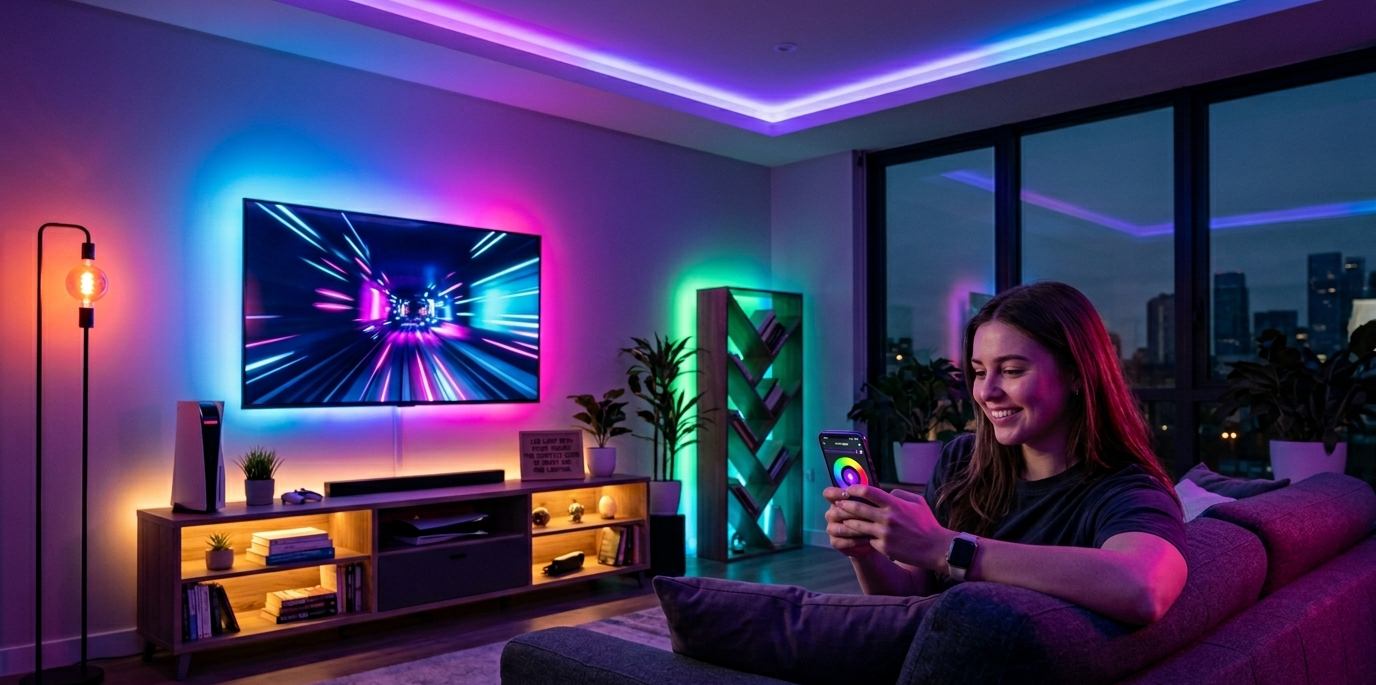
Users can create custom scenes, schedule lighting changes, automate routines, and synchronize lights with music or media content. Smart integration means your lights can gradually brighten in the morning, dim automatically at night, or shift colors based on weather conditions and daily activities.
This level of automation transforms lighting from a passive utility into an active component of smart home ecosystems. Emerging innovations are even introducing AI-driven lighting systems capable of adapting to user behavior and environmental conditions automatically.
Types of Color-Changing LED Lights
Smart LED Bulbs
Smart LED bulbs are the easiest entry point into the world of color-changing lighting. They fit into existing fixtures and require minimal installation. Users simply replace their traditional bulb, connect it to an app, and begin customizing colors and brightness.
One major reason for their popularity is affordability. Market research shows that smart bulbs remain among the most accessible smart lighting products because they offer simple installation and extensive functionality without requiring specialized wiring or professional assistance.
For renters, apartment dwellers, or homeowners seeking quick upgrades, smart bulbs provide an excellent balance of convenience and performance.
LED Strip Lights
LED strip lights have become a favorite among homeowners, gamers, and interior designers. Their flexibility allows them to be installed under cabinets, behind televisions, along ceilings, staircases, desks, and shelving units.
Current market data indicates that RGB LED strips represent one of the fastest-growing segments within the lighting industry, accounting for a significant portion of residential color-changing lighting adoption.
Their popularity stems from versatility. A single strip can dramatically alter the visual character of a room while remaining relatively inexpensive and easy to install.
LED Panels and Decorative Fixtures
Decorative LED panels push creativity even further. These products combine lighting with artistic design, allowing users to create geometric patterns, wall displays, and interactive installations.
Unlike traditional fixtures, decorative panels function as both illumination and artwork. They are particularly popular in modern homes, creative studios, streaming setups, and commercial venues seeking distinctive visual identities.
Benefits of Color-Changing LED Lighting
Energy Efficiency
One of the strongest arguments for switching to LED technology is energy savings. LEDs consume substantially less electricity than traditional incandescent bulbs while delivering comparable or superior brightness.
According to industry data, LED lighting can use approximately 75% less energy than conventional incandescent alternatives while lasting significantly longer. This translates into lower utility bills and reduced replacement costs over time.
For households operating multiple fixtures daily, these savings accumulate quickly. It’s like upgrading from an old fuel-hungry vehicle to a modern hybrid—performance improves while operating costs decrease.
Mood Enhancement and Ambiance
Lighting affects human psychology more than many people realize. Warm colors promote relaxation, cooler tones support concentration, and vibrant colors stimulate excitement and creativity.
Color-changing LEDs allow users to tailor their environment to specific activities. Soft amber lighting may enhance evening relaxation, while bright blue-white illumination can improve focus during work sessions. Dynamic colors can energize social gatherings or complement entertainment experiences.
This emotional flexibility explains why consumers increasingly view lighting as part of lifestyle design rather than a purely functional necessity.
Smart Home Integration
Modern LED systems integrate seamlessly with broader smart home platforms. Voice assistants, automation routines, occupancy sensors, and smartphone applications work together to create highly personalized experiences.
Smart lighting can respond automatically to user schedules, occupancy patterns, and environmental triggers. Such functionality enhances convenience while improving energy efficiency and user satisfaction. Growing adoption of interoperable standards continues to accelerate smart lighting growth globally.
Best Applications for Color-Changing LEDs
Home Interiors
Color-changing LEDs can completely transform residential spaces. Living rooms become entertainment hubs, bedrooms become tranquil retreats, and kitchens gain sophisticated accent lighting.
Homeowners increasingly use layered lighting strategies, combining task lighting with decorative RGB elements to create visually engaging environments. Even small apartments can appear larger and more inviting when illuminated thoughtfully.
The beauty lies in adaptability. A single lighting system can support relaxation, productivity, socializing, and entertainment without requiring physical changes to the room.
Gaming Rooms and Entertainment Areas
Gaming culture has played a major role in the popularity of RGB lighting. Players seek immersive experiences, and dynamic lighting helps extend virtual environments into physical spaces.
LED strips behind monitors, under desks, and around entertainment centers create depth and atmosphere. Some advanced systems even synchronize with games, movies, and music, producing real-time visual effects that enhance immersion.
This application continues to drive innovation within the RGB lighting market as consumers demand increasingly sophisticated experiences.
Commercial and Hospitality Spaces
Businesses also benefit from color-changing LED technology. Hotels, restaurants, retail stores, and event venues use programmable lighting to influence customer experiences and reinforce brand identities.
Lighting can alter perceptions of space, encourage specific behaviors, and create memorable environments. Restaurants may employ warm colors to foster intimacy, while retail stores use dynamic displays to attract attention and highlight merchandise.
Commercial adoption continues expanding as businesses recognize the marketing and experiential value of intelligent lighting systems.
Choosing the Right LED Lights with Color Change
Key Features to Consider
Selecting the best LED light requires evaluating several factors:
| Feature | Why It Matters |
| Brightness (Lumens) | Determines illumination level |
| Color Range | Affects customization options |
| Connectivity | Enables app and voice control |
| Compatibility | Works with existing smart home systems |
| Energy Efficiency | Reduces operating costs |
| Lifespan | Minimizes replacement frequency |
| RGBIC Support | Enables advanced color effects |
Consumers should prioritize quality components, reliable connectivity, and ecosystem compatibility. Cheap products often compromise brightness, durability, or color accuracy.
Comparing Popular LED Options
| Type | Best For | Advantages | Limitations |
| Smart Bulbs | General home use | Easy installation | Limited placement flexibility |
| LED Strips | Accent lighting | Highly versatile | Requires mounting |
| LED Panels | Decorative displays | Unique aesthetics | Higher cost |
| Smart Fixtures | Whole-room lighting | Integrated design | More expensive |
The ideal choice depends on specific goals, room size, and desired functionality.
Installation and Maintenance Tips
Installing LED Lights with Color Change is generally straightforward, but thoughtful planning improves results dramatically. Measure spaces carefully before purchasing strips or fixtures. Consider power supply requirements and ensure controllers remain accessible for troubleshooting.
Keep surfaces clean before mounting adhesive-backed strips. Dust and grease reduce adhesive effectiveness and can shorten installation lifespan. When installing smart bulbs, ensure strong wireless connectivity to avoid communication issues.
Maintenance is minimal compared to traditional lighting systems. Periodic cleaning and software updates are usually sufficient. Quality LEDs can operate for years without significant performance degradation, making them one of the most reliable lighting technologies available today.
Future Trends in Color-Changing LED Technology
The future of LED Lights with Color Change looks remarkably bright. Artificial intelligence, machine learning, and advanced automation are transforming lighting into intelligent environmental systems.
Industry forecasts suggest continued growth across smart lighting markets, supported by increasing smart home adoption and demand for personalized experiences. The smart lighting market is expected to expand significantly throughout the remainder of the decade.
Emerging technologies include adaptive wellness lighting, AI-generated lighting scenes, advanced RGB Mini LED displays, and deeper integration with entertainment platforms. Recent innovations showcased at technology events demonstrate how lighting is evolving beyond illumination into an interactive digital experience.
As costs continue declining and capabilities expand, color-changing LEDs are likely to become standard features in homes, offices, and commercial environments worldwide.
Conclusion
LED Lights with Color Change have evolved from novelty gadgets into powerful tools for personalization, efficiency, and smart living. They combine energy savings with creative freedom, allowing users to transform ordinary spaces into dynamic environments tailored to their preferences and activities.
Whether you choose smart bulbs, LED strips, decorative panels, or integrated fixtures, modern color-changing LEDs provide exceptional versatility. Their ability to enhance mood, support automation, and reduce energy consumption makes them one of the most impactful lighting innovations available today.
As technology continues advancing, color-changing LED lights are becoming smarter, more energy-efficient, and seamlessly integrated into modern homes and businesses. From creating the perfect ambiance in living rooms to enhancing gaming setups, offices, retail spaces, and hospitality environments, these versatile lighting solutions offer endless possibilities.
Whether you’re searching for premium RGB LED strips, smart bulbs, decorative lighting fixtures, or complete smart lighting systems, investing in high-quality color-changing LEDs can transform the way you experience your space. Explore our range of innovative LED lighting products and discover how the latest technology can bring style, convenience, and vibrant color to every corner of your home. The future of lighting is already here—and it’s glowing in millions of colors.
FAQs
1. What is a color-changing LED light?
A color-changing LED light is a lighting device that uses RGB or RGBIC technology to produce multiple colors and lighting effects through electronic control.
2. Do color-changing LED lights use more electricity?
No. Even with advanced color features, LED lights remain highly energy-efficient and typically consume far less electricity than traditional incandescent bulbs.
3. Can I control LED Lights with Color Change with my phone?
Yes. Most modern smart LED lights support smartphone apps that allow color selection, scheduling, brightness adjustment, and automation.
4. What is the difference between RGB and RGBIC lights?
RGB lights display one color across the entire device at a time, while RGBIC lights can display multiple colors simultaneously in different sections.
5. Are color-changing LED lights worth buying?
Yes. They offer energy efficiency, customization, smart home integration, long lifespan, and enhanced ambiance, making them valuable upgrades for both homes and businesses.