Introduction to LED Beam Moving Head Lighting
The LED beam moving head is one of the most important innovations in modern stage lighting technology, widely used in concerts, events, theaters, nightclubs, and live performances. It is designed to produce sharp, concentrated beams of light that can move dynamically across a stage or venue, creating visually stunning effects that enhance the audience experience. Unlike traditional static lighting fixtures, this advanced lighting system can pan, tilt, and change colors with precision, making it a core element in professional lighting setups.
In recent years, the demand for moving head beam lights has increased significantly due to their energy efficiency, versatility, and ability to create dramatic visual effects. These lighting fixtures use LED technology, which not only reduces power consumption but also offers longer lifespan and better brightness control. As stage production becomes more complex and visually driven, understanding how LED beam moving head systems work is essential for lighting designers, event planners, and technical professionals.
What is an LED Beam Moving Head?
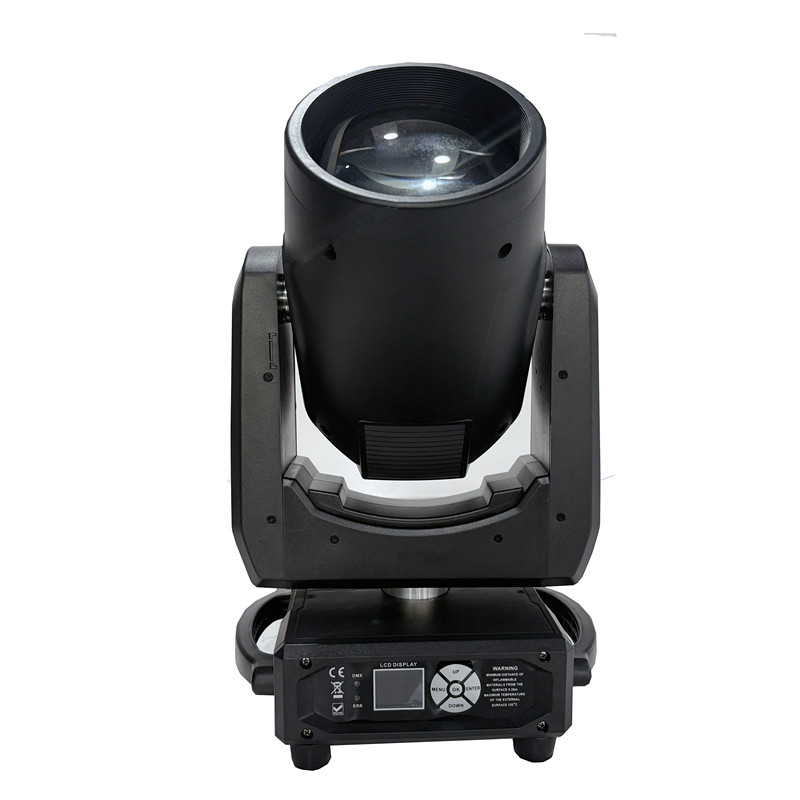
An LED beam moving head is a type of intelligent lighting fixture that combines LED light sources with motorized movement capabilities. It is specifically designed to project a narrow, powerful beam of light that can be directed anywhere in a venue. The “moving head” feature allows the light to rotate horizontally (pan) and vertically (tilt), enabling dynamic lighting effects that follow music, motion, or programmed sequences.
Unlike wash lights or spotlights, beam moving heads produce extremely tight and focused light beams. This makes them ideal for creating aerial effects, laser-like visuals, and high-energy lighting environments. These fixtures are commonly controlled using DMX systems, which allow lighting operators to program complex sequences with precision timing and synchronization.
The combination of LED technology and intelligent movement makes this lighting solution highly efficient, durable, and adaptable for different types of events, from small indoor shows to large outdoor concerts.

Key Features of LED Beam Moving Head Lights
The popularity of LED beam moving head lights comes from their advanced features that enhance both performance and creativity in lighting design. These features make them suitable for professional use in entertainment industries where visual impact is crucial.
One of the most important features is the high-intensity LED output, which produces extremely bright beams while consuming minimal power. This allows for long operating hours without overheating or excessive energy usage. Another key feature is motorized pan and tilt movement, which enables smooth and precise positioning of the light beam across wide areas.
Additionally, most modern beam moving head fixtures come with color wheels, gobo patterns, and prism effects, allowing users to create diverse lighting visuals. The integration of DMX control systems ensures that lighting effects can be synchronized with music or stage performance, adding a professional and immersive feel to any event setup.
How LED Beam Moving Head Works
The working mechanism of an LED beam moving head light is based on a combination of LED illumination, optical lenses, and motorized movement systems. The LED source generates a concentrated beam of light, which is then focused through high-quality lenses to maintain sharpness and intensity over long distances.
Inside the fixture, small motors control the horizontal and vertical movement of the head. These motors are highly responsive, allowing quick transitions and smooth motion effects. When connected to a DMX controller, the lighting system receives digital signals that instruct it how to move, change colors, or adjust brightness.
The precision of this system makes it possible to create synchronized lighting shows where multiple moving heads work together in perfect harmony. This is especially important in concerts and live performances where lighting must match the rhythm and energy of music.
Applications of LED Beam Moving Head Lighting
The LED beam moving head is widely used across different industries due to its versatility and visual impact. One of its primary applications is in concert lighting, where it is used to create dynamic effects that enhance live music performances. The sharp beams and rapid movement add energy and excitement to the stage atmosphere.
In nightclubs and DJ events, beam moving heads are used to synchronize lighting with beats, creating immersive environments that engage audiences. These lighting fixtures are also commonly used in theaters and stage productions, where they help highlight actors, create mood transitions, and support storytelling through visual effects.
Additionally, they are used in corporate events, weddings, and outdoor festivals. Their ability to adapt to different environments makes them a preferred choice for professional lighting designers who need flexibility and reliability in their setups.
Advantages of LED Beam Moving Head Systems
One of the main advantages of LED beam moving head lights is energy efficiency. Since they use LED technology, they consume significantly less electricity compared to traditional halogen or discharge lamps. This makes them more cost-effective in the long run and environmentally friendly.
Another advantage is durability. LED sources have a much longer lifespan, reducing the need for frequent replacements and maintenance. This is particularly beneficial for large-scale event production companies that rely on consistent performance.
The flexibility of movement is also a major benefit. The ability to pan, tilt, and adjust beam angles allows lighting designers to create highly dynamic and customizable effects. Combined with DMX programming, this opens up endless creative possibilities for visual storytelling and stage design.
Technical Aspects of LED Beam Moving Head
From a technical perspective, the LED beam moving head fixture includes several components that work together to deliver high-quality lighting effects. These include the LED light source, optical lens system, cooling system, motors, and control circuitry.
The cooling system is especially important because it ensures the LED does not overheat during long usage periods. Efficient heat dissipation helps maintain brightness consistency and extends the lifespan of the fixture. The control system, usually based on DMX512 protocol, allows integration with lighting consoles and software systems for advanced programming.
Beam angle is another important technical factor. Most beam moving heads have very narrow beam angles, often between 1 to 5 degrees, which helps create concentrated and powerful light effects. This makes them suitable for long-distance projection and aerial lighting designs.
Differences Between Beam, Spot, and Wash Moving Heads
Understanding the differences between lighting types is important when working with LED moving head systems. Beam moving heads are designed for narrow, intense light projection with sharp edges. They are ideal for creating dramatic aerial effects and high-energy visuals.
Spot moving heads, on the other hand, produce a wider beam with the ability to project patterns and images using gobos. They are more versatile for highlighting specific areas or objects on stage. Wash moving heads generate broad, soft lighting that covers large areas evenly, making them suitable for background illumination.
Each type serves a different purpose in lighting design, and professionals often combine all three to create balanced and visually rich stage environments.
Maintenance and Longevity of LED Beam Moving Head
Proper maintenance of an LED beam moving head light is essential to ensure long-term performance and reliability. Regular cleaning of lenses and external surfaces helps maintain brightness and clarity. Dust buildup can affect light output and reduce the effectiveness of beam projection.
It is also important to periodically check the cooling system to ensure proper airflow and prevent overheating. In professional setups, firmware updates and DMX configuration checks are performed to keep the system running smoothly.
Because LED technology is highly durable, these fixtures typically require less maintenance compared to traditional lighting systems. However, careful handling and proper storage are still necessary to extend their operational life.
Future of LED Beam Moving Head Technology
The future of LED beam moving head lighting systems is expected to be driven by advancements in automation, wireless control, and smart integration. Modern lighting systems are increasingly being integrated with AI-based software that allows automatic synchronization with music and visual content.
Wireless DMX technology is also becoming more common, reducing the need for complex cabling systems and making setups more efficient. Additionally, improvements in LED efficiency and optical design will continue to enhance brightness while reducing energy consumption.
As entertainment and event industries evolve, LED beam moving heads will remain a central part of stage lighting due to their adaptability, performance, and creative potential.
Conclusion
The LED beam moving head represents a powerful combination of advanced lighting technology and creative flexibility. Its ability to produce sharp, dynamic beams of light, combined with intelligent movement and digital control systems, makes it an essential tool in modern stage production. From concerts and nightclubs to theaters and corporate events, this lighting fixture plays a crucial role in shaping visual experiences and enhancing audience engagement.
With continuous advancements in LED efficiency, DMX control, and smart automation, the future of beam moving head lighting looks even more promising. Understanding its features, applications, and technical aspects helps professionals and enthusiasts alike appreciate its importance in the world of modern lighting design.
FAQs about LED Beam Moving Head
What is an LED beam moving head used for?
An LED beam moving head is used in stage lighting, concerts, DJ events, theaters, and live shows to create dynamic and focused lighting effects. It enhances visual experiences by producing sharp, moving light beams.
How does a beam moving head differ from a spotlight?
A beam moving head produces a narrow, intense light beam, while a spotlight offers a wider beam with pattern projection capabilities. Beam lights are mainly used for aerial effects and high-energy visuals.
Is LED beam moving head energy efficient?
Yes, LED beam moving heads are highly energy efficient because they use LED technology, which consumes less power and produces less heat compared to traditional lighting systems.
Can LED beam moving heads be controlled remotely?
Yes, most LED beam moving heads are controlled using DMX systems, allowing remote programming of movement, color changes, and lighting effects.
What makes LED beam moving head popular in events?
Its versatility, brightness, energy efficiency, and ability to create dramatic lighting effects make it highly popular in professional event production and stage design.